Catalyst Series
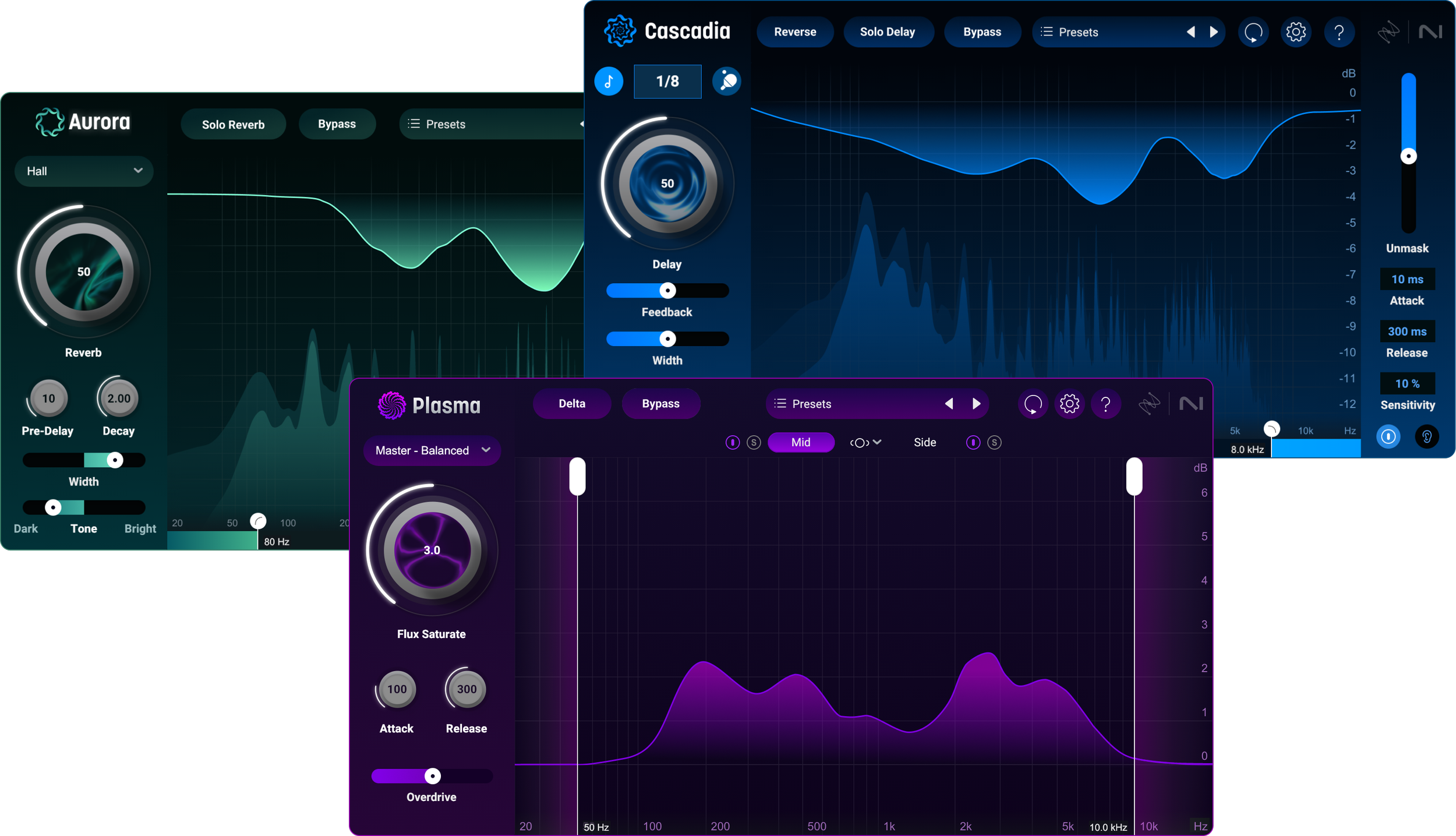
Designing a new kind of iZotope product: simple by design, powerful by default.
Target Audience
Audio producers and engineers
Environment
DAW-based workflows
Role
Lead Designer
Scope
Multi-product series design

What is the catalyst series?

Three products, one consistent interaction model
Plasma, Aurora, and Cascadia are intelligent audio plugins built on a shared philosophy: powerful processing with simple controls. Plasma delivers dynamic spectral saturation, Aurora adds clarity-preserving reverb with auto-unmasking, and Cascadia creates clean, spacious delay. Each product has a distinct character, unified by a common interaction model designed to produce high-quality results with minimal input.
The challenge
Defining a simpler, faster category of tools
iZotope’s ecosystem is known for depth and precision, but that complexity can slow down creative workflows. The opportunity was to define a new category of tools that deliver immediate, usable results without requiring extensive setup or expertise.
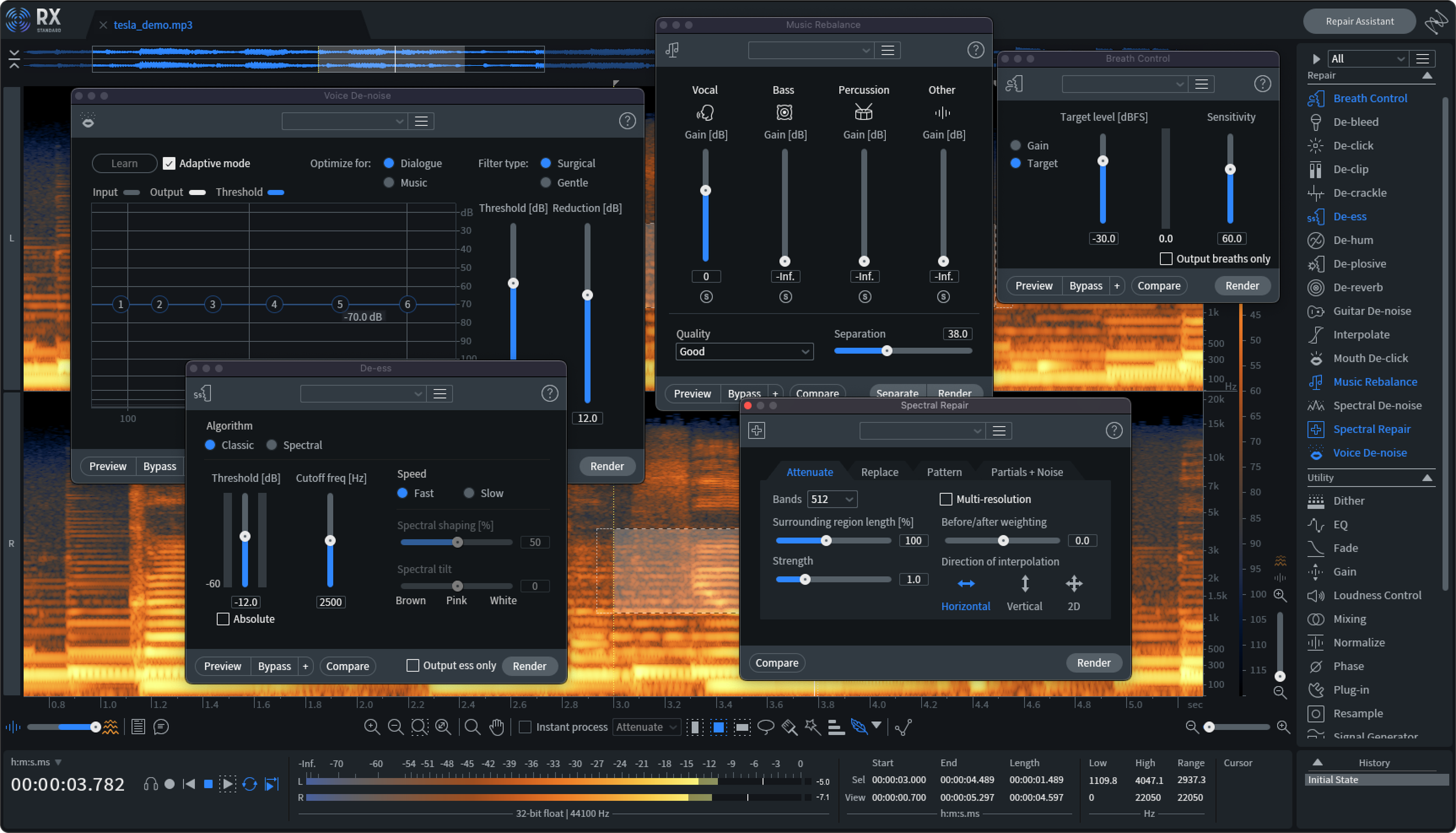
Risks and considerations
Balancing simplicity with perceived capability
Designing three distinct products as a cohesive family required consistency without uniformity. At the same time, maintaining a reduced control surface introduced risk. Additional controls would have been easy to justify, but would have diluted the core experience. The challenge was holding that constraint while ensuring each product still felt capable and complete.
The Single Control Philosophy
Framing
Music production tools often create distance between user intent and audible result. This work focused on closing that gap by centering interaction around a single, high-impact control. The goal was to make meaningful changes immediate and understandable, while preserving the depth expected by more experienced users.
Design Approach
Working closely with the product manager, we established a clear product philosophy early and aligned on it across product and engineering. The experience was centered on immediacy and trust, designing for results users could hear and understand within seconds. This required maintaining a consistent point of view throughout development as the products took shape.
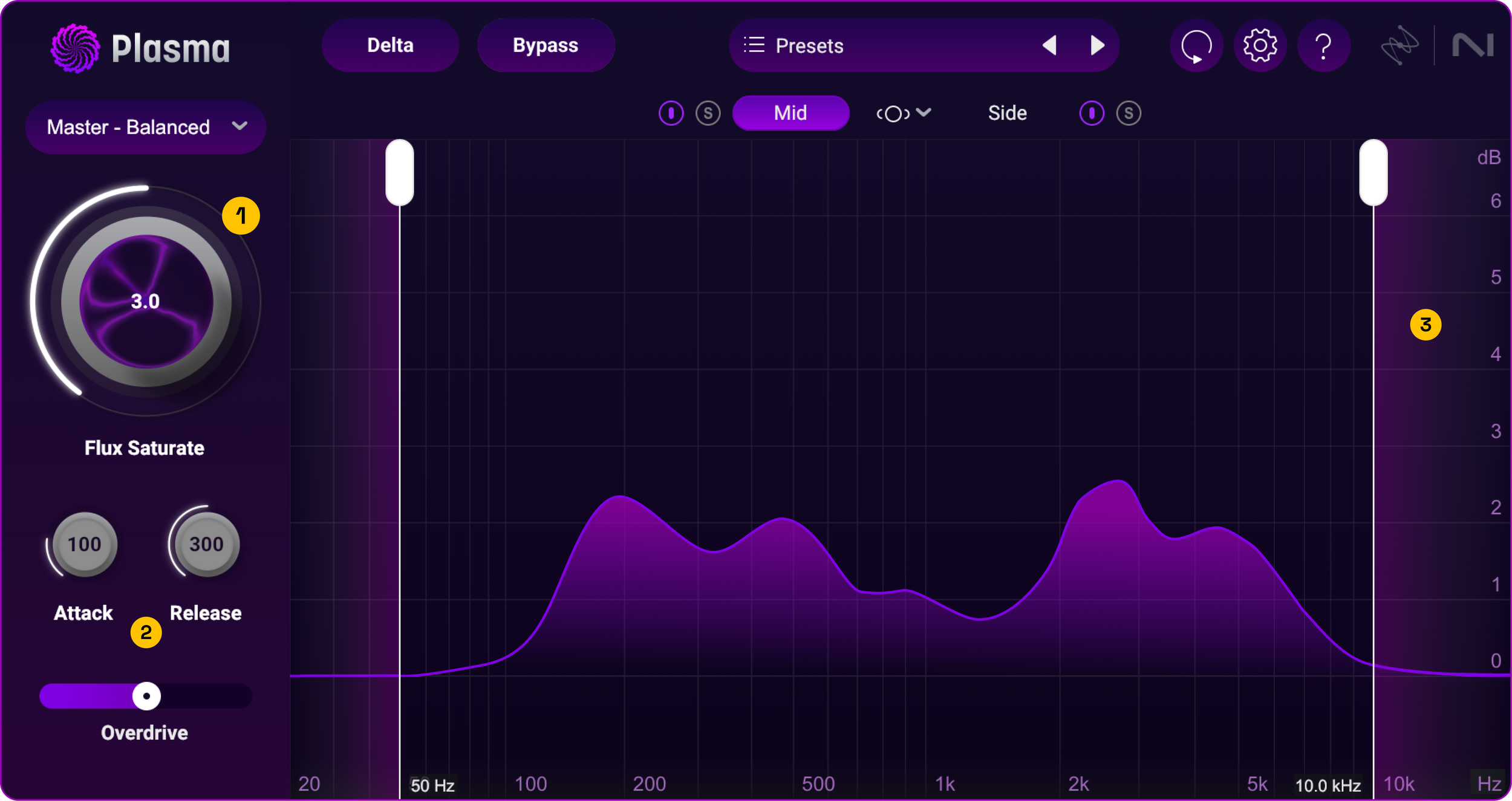
1
Each product centers on a single primary control that delivers high-quality results on its own, allowing users to engage immediately without needing to understand the full system.
2
Secondary controls support refinement but are intentionally deprioritized. They enable deeper use without becoming part of the default workflow.
3
A difference meter visualizes how adjustments affect the audio spectrum in real time. This provides immediate feedback and helps users understand the impact of their changes at a glance.
Outcome
The result is a set of tools that feel immediate and intuitive, allowing users to achieve polished results quickly while still supporting more advanced control when needed.
Distinct identity within a shared system
Framing
A shared product philosophy created consistency across the series, but risked making each tool feel interchangeable. Each product needed a distinct identity that reflected its purpose while still fitting within a cohesive system.
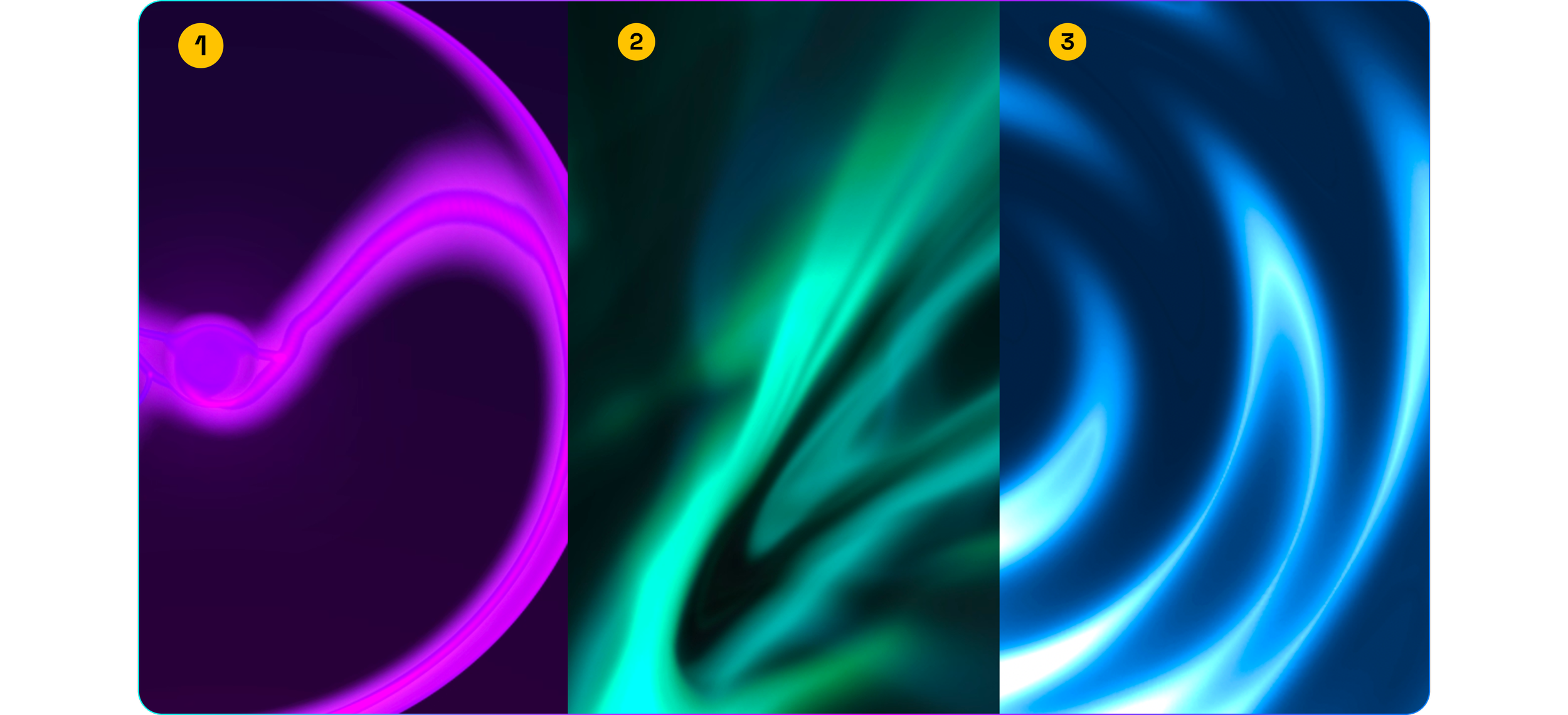
Solution
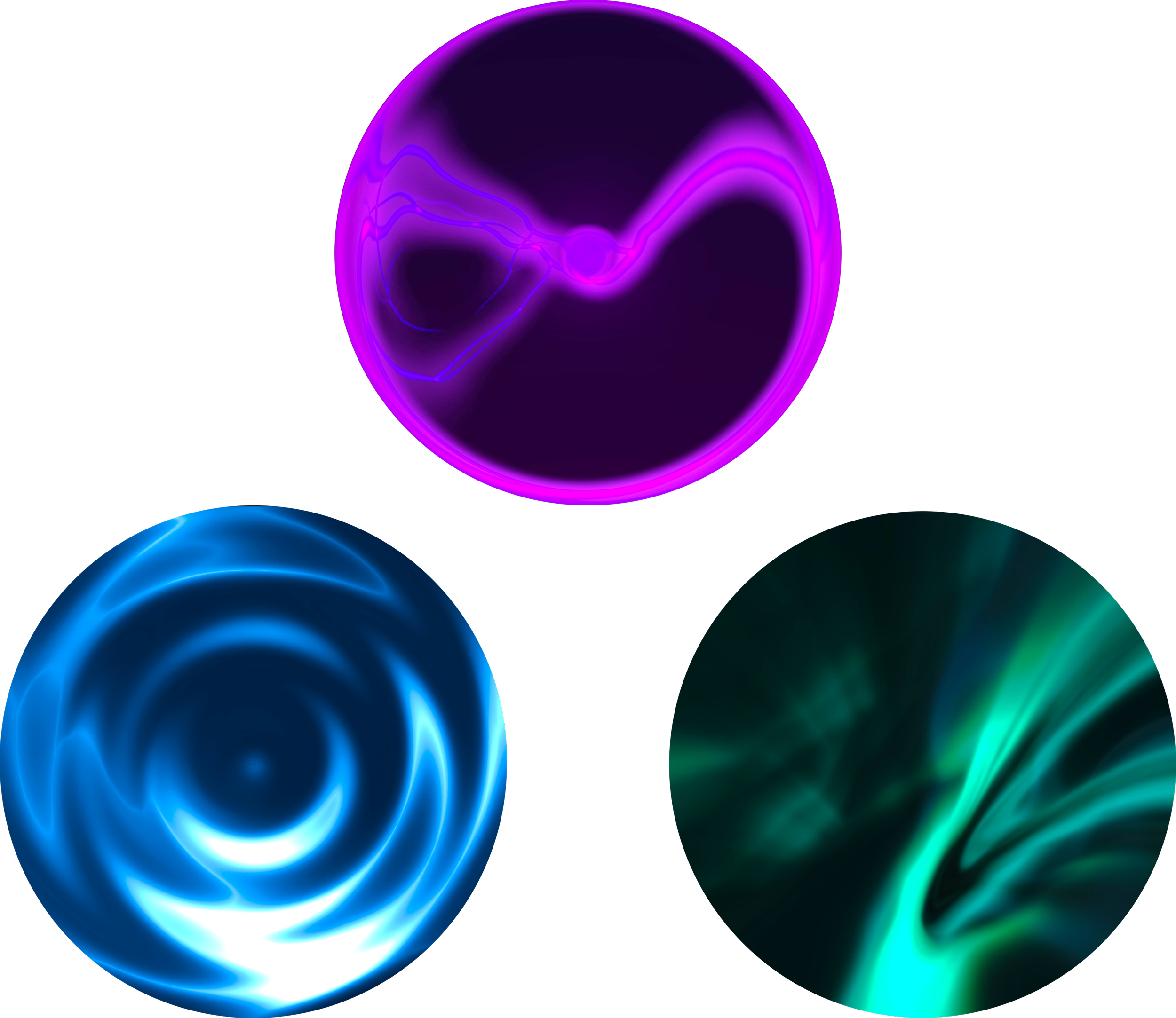
I built each product’s identity around its name and the imagery it evoked, using those references to drive color, motion, and visual tone. This created a clear connection between what each tool does and how it feels, while maintaining a consistent structure across the series.
1 - Plasma
Draws from electricity, emphasizing energy, intensity, and high-frequency activity.
2 - Aurora
Draws from the aurora borealis, using light and shifting color to reflect atmosphere and space.
3 - Cascadia
Draws from water, with fluid motion and softer transitions that suggest flow and continuity.
Outcome
The result is a product family that feels cohesive at a system level while remaining visually distinct at the product level. Each tool is immediately recognizable, reinforcing its purpose without sacrificing consistency across the series.
Motion as feedback
Framing
The visual identity needed to do more than differentiate each product. It needed to reinforce the effect of the processing itself. Motion was an opportunity to make changes not just audible, but immediately visible.
Solution
I designed motion as a direct extension of the primary control, linking visual feedback to the effect in real time. As the control increases, the animation becomes more visible, revealing the impact of the processing.
To implement this within existing constraints, I developed a method using sprite sheets, the same approach used to render interface controls. This allowed the animations to run efficiently without introducing new technology or requiring additional engineering support.
Responsive feedback
Animations respond directly to the primary control, making changes visible as they happen.
Progressively revealed
A dark overlay fades as values increase, revealing the animation beneath and reinforcing the effect.
Efficient implementation
Built using sprite sheets to work within existing rendering constraints, avoiding new tech or added engineering lift.
Outcome
Motion becomes part of the interaction, not an added layer. It reinforces the effect of each tool while remaining performant and scalable. The implementation approach has since been adopted in subsequent iZotope products, extending its impact beyond the initial release.

Impact
Capitalizing on new value
The Catalyst series generated approximately $500K in its first year, exceeding forecasts by more than 250 percent. Aurora was the strongest performer, accounting for nearly half of total revenue and earning a nomination for a NAMM TEC Award. It was used on major commercial releases, including Chromakopia by Tyler, the Creator.
Beyond performance, the series influenced how iZotope approaches product scope and visual language. It established a repeatable model for balancing immediacy and control in complex audio tools, demonstrating that simpler, more expressive products can succeed commercially. The product philosophy, design system, and motion approach have since been carried forward into new releases.